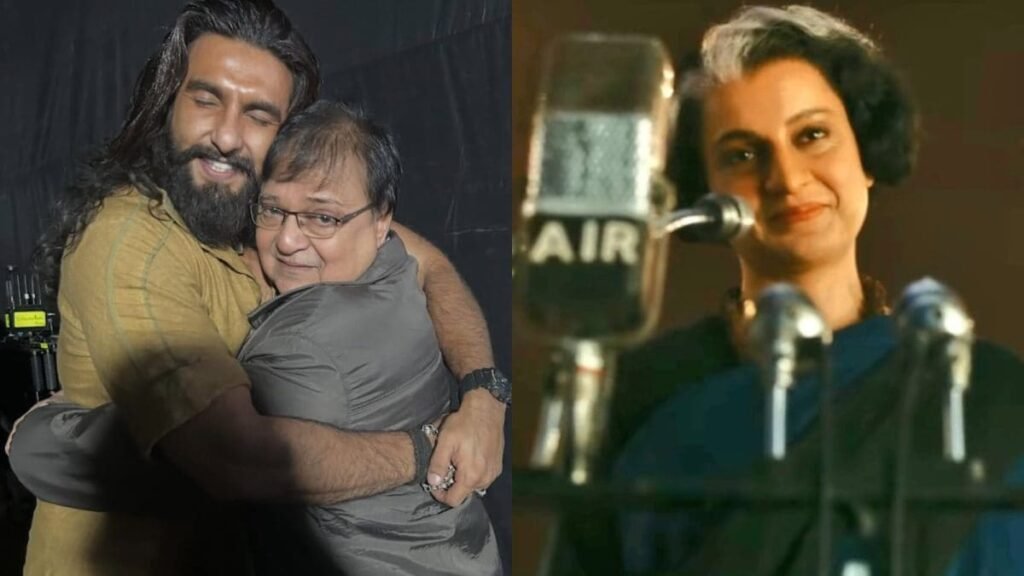
Actor Rakesh Bedi has weighed in on the ongoing “propaganda” debate surrounding Dhurandhar: The Revenge, firmly defending the film’s intent and success while making a subtle comparison with politically themed films that failed to resonate with audiences.
In a recent interaction with NDTV Bedi made it clear that he does not view cinema through a political lens. “I don’t believe in politics. I believe in cinema” he said, adding that while audiences are free to have differing opinions, labelling a film as pro or anti establishment limits how it is perceived. According to him, the real measure of a film’s success lies in how audiences respond and in this case, the response has been overwhelmingly positive.
Without naming names directly at first, Bedi went on to reference recent biographical political dramas, including those based on figures like Indira Gandhi and Prime Minister Narendra Modi, suggesting that such films failed to sustain audience interest. His remarks are being seen as an indirect dig at Emergency, the historical drama directed by and starring Kangana Ranaut, which depicted the controversial Emergency period of 1975–77 but underperformed at the box office.
Bedi emphasised that Dhurandhar: The Revenge stands apart because of its strong writing and scale. He credited the screenplay and narrative depth for the film’s success, noting that audiences are engaging with it beyond any political interpretations being debated online.
also read: Dhurandhar 2 special screening: Sanjay Dutt bonds with Yami Gautam; video goes viral
Directed by Aditya Dhar, the film serves as a sequel to the 2025 hit Dhurandhar and dives deeper into the origins of Ranveer Singh’s character, Hamza Mazari, also known as Jaskirat Singh Rangi. The story follows his rise within a dangerous criminal network while continuing his mission against terrorism in Lyari.
The film also features a strong supporting cast, including R. Madhavan, Sanjay Dutt, Arjun Rampal and Sara Arjun in key roles.
Despite online debates, the numbers tell a clear story. The film opened to record breaking collections earning ₹146 crore domestically on its first day, including a significant contribution from paid previews. It has continued to perform steadily, backed by strong word of mouth and endorsements from industry figures across regions.
As conversations around cinema and politics continue, Bedi’s comments underline a familiar argument in the industry that ultimately, it is the audience that decides a film’s fate, not the labels attached to it.