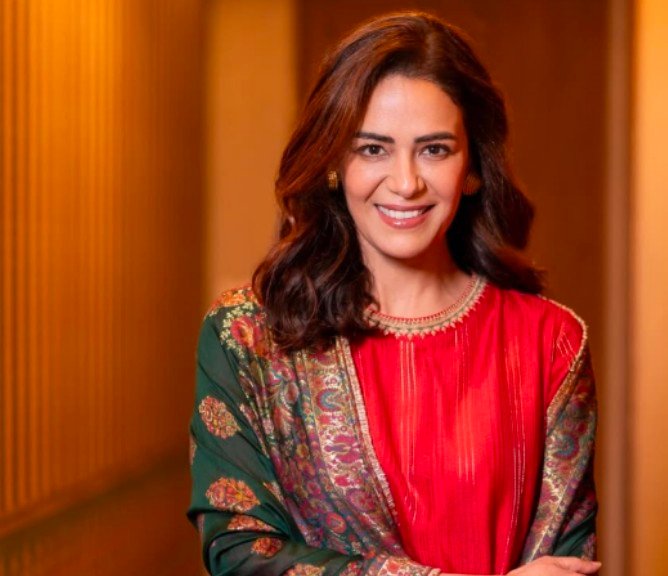
Mona Singh has once again sparked a vital conversation about ageism and gender bias in Bollywood and the broader film industry. Speaking to the press ahead of her upcoming projects — including Netflix’s Kohrra 2 where she plays a police officer — Singh used the platform to criticise systemic double standards that disproportionately affect women as they age in cinema.
At the centre of her remarks, Singh challenged the entrenched notion that actresses come with an “expiry date.” She pointed out a glaring contradiction: while male actors in their 60s continue to be cast as romantic leads, women of similar age are often relegated to peripheral parts or cast in roles defined by age rather than character depth. “It’s only in this industry that women come with an expiry date. And it is so sad,” she said, underscoring how unfair and outdated the mindset remains.
Singh, now enjoying one of the most creatively satisfying phases of her career, emphasised that age has never dictated her choices. “I have not cared about my on-screen age. I really haven’t,” she added, stressing that her focus has always been on the richness and challenge of the character rather than age-related perceptions. Singh has openly embraced roles that defy conventional ageist casting — from intense dramatic characters to powerful leads that go beyond age expectations.
Her interview also highlighted a broader shift in the industry, where actors are finding more meaningful and varied roles through OTT platforms such as Netflix and Amazon Prime. Singh credited these avenues with offering creative freedom and opportunities beyond traditional Bollywood typecasting, especially at times when mainstream cinema often sidelines female artists after a certain age.
The Kohrra 2 role itself illustrates this shift. In the series, Singh portrays Dhanwant Kaur, a grieving but relentless police officer tackling a complex murder case — a far cry from youthful romantic leads, and a testament to how storytelling is evolving beyond superficial age constructs.
Singh’s observations reflect a long-standing issue in Indian cinema: the persistent preference for older male actors in starring romantic roles while female counterparts struggle for parity in casting once they cross a certain age. This age-based bias has been noted by other actors and critics alike, as the industry continues to wrestle with entrenched norms about desirability and marketability.
By speaking out, Mona Singh joins a growing chorus of voices questioning why aging is celebrated in male performers yet treated as a limitation for women — and why talent and character depth should matter more than age. As she puts it, Singh’s career today is less about defying stereotypes and more about embracing complex roles that value depth, resilience and authenticity over youth.