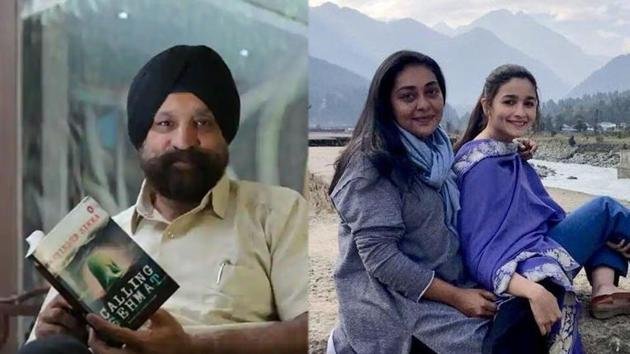
The debate around creative liberty versus factual storytelling has resurfaced after author Harinder Singh Sikka openly criticised filmmaker Meghna Gulzar over the adaptation of his book into the 2018 film Raazi.
Sikka, whose novel Calling Sehmat inspired the critically acclaimed film has made a series of strong allegations claiming that the cinematic version distorted the essence of his story and misrepresented India’s image.
In a recent statement, Sikka described his decision to entrust the project to Gulzar as his “gravest misjudgment.” According to him the film significantly altered key elements of the narrative, diluting its patriotic undertones. He pointed out that moments symbolising national pride in the book were either removed or reinterpreted in the film, including scenes involving the Indian tricolour and the protagonist’s return to India.
The author also expressed dissatisfaction with how Pakistan and its military were portrayed, suggesting that the film presented them in a comparatively softer light. He argued that this shift changed the emotional and political core of the story, making it less aligned with his original vision.
Sikka further revealed that his relationship with the director deteriorated after the film’s completion. He claimed that despite a cordial rapport during production, communication broke down later, alleging that he received a message from Gulzar stating she no longer wished to stay in touch.
Another point of contention was the film’s title change from Sehmat to Raazi. Sikka believes this decision diluted the identity of the real life inspiration behind the story. He also criticised the inclusion of the song “Ae Watan Mere Watan” written by Gulzar stating that it lacked a direct reference to India, which he felt was a crucial omission.
Reflecting on the adaptation, Sikka remarked that the changes “undid” years of hard work he had invested in writing the book. While acknowledging the film’s commercial success and widespread appreciation, he maintained that it failed to stay true to the spirit of his narrative.
also read : Hrithik Roshan’s Son Hridhaan Gets Into USC’s Film School, Sussanne Khan Celebrates Proud Moment
The controversy has reignited conversations about the responsibilities filmmakers carry when adapting real life stories. While cinema often demands creative interpretation, authors and audiences alike continue to question where the line should be drawn between artistic freedom and authenticity.
As of now, neither Meghna Gulzar nor lyricist Gulzar has publicly responded to the claims.