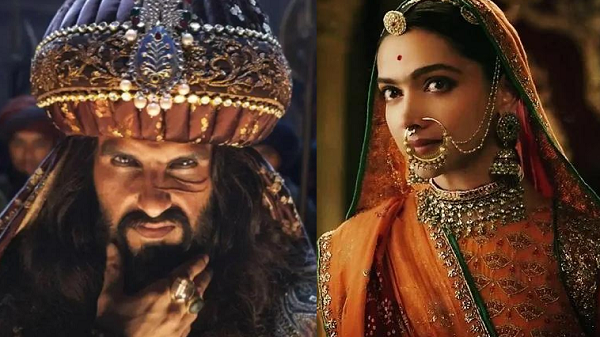
As Padmaavat completes 8 years on January 25, Sanjay Leela Bhansali’s magnum opus starring Deepika Padukone, Ranveer Singh and Shahid Kapoor in the lead roles continues to be celebrated as one of the most visually arresting and emotionally charged films in Indian cinema. Known for his grandeur, operatic storytelling, and obsessive attention to detail, Bhansali once again pushed boundaries with this epic period drama.
Starring Deepika Padukone, Ranveer Singh and Shahid Kapoor, Padmaavat blended history, poetry, mythology, and spectacle on a scale rarely seen before. Even years after its release, the film remains a benchmark for period filmmaking in India.
On its anniversary, here are 8 fascinating facts that make Padmaavat as legendary as its legacy.
- Inspired by a 16th-Century Epic Poem
Padmaavat draws inspiration from Malik Muhammad Jayasi’s 16th-century Sufi poem Padmavat, which weaves folklore, symbolism, and myth rather than strict historical documentation.
- One of Bhansali’s Most Expensive Films
Mounted on an unprecedented scale, Padmaavat was among the most expensive Indian films of its time, with its budget driven by colossal sets, intricate costumes, VFX, and prolonged shooting schedules.
- Deepika Padukone’s Regal Transformation
To portray Rani Padmavati, Deepika trained extensively in classical grace, body language, and silent expression, embodying dignity, restraint, and inner strength with minimal dialogue.
- Ranveer Singh’s Darkest Role
Ranveer Singh’s Alauddin Khilji marked one of the most intense performances of his career. The actor reportedly isolated himself mentally to tap into the character’s cruelty, unpredictability, and obsession.
- Shahid Kapoor’s Rigorous Royal Prep
Shahid Kapoor trained in horse riding, sword fighting, posture, and royal etiquette to convincingly play Maharawal Ratan Singh, ensuring historical authenticity in both movement and demeanour.
- The Jauhar Sequence Took Months to Execute
The emotionally devastating Jauhar sequence required months of preparation, choreography, and filming, owing to its scale, sensitivity, and technical complexity.
- Over 400 Artisans Built the World of Padmaavat
More than 400 artisans and craftsmen worked on the film’s sets, creating massive forts, palaces, and carvings that recreated the grandeur of medieval India with astonishing detail.
- Music Was Composed Before Shooting Began
In true Bhansali fashion, the entire soundtrack was composed before filming, allowing actors to internalise the emotional rhythm and mood of their scenes during performances.
Legacy That Endures
Eight years on, Padmaavat remains a defining moment in Indian cinema, not just for its scale and visuals, but for its ambition to merge art, history, and emotion into one unforgettable cinematic experience. As Padmaavat completes eight years, Sanjay Leela Bhansali’s visually grand and emotionally powerful epic continues to be celebrated as a landmark in Indian cinema. From its roots in a 16th-century poem to its massive sets, iconic performances, and unforgettable music, the film remains a benchmark for period storytelling and cinematic scale.